


Growing the Dream: What a Small Piece of Land Has Taught Me About Regenerative Living
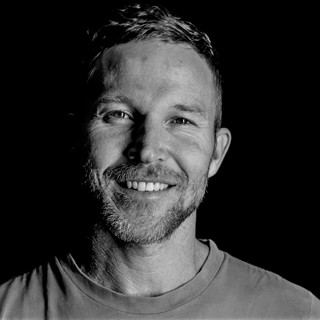
When we first bought this piece of land, I felt overwhelmed.
Standing on the property, looking at everything that needed to be done, it was difficult to see how the vision in my head could ever become reality. There were no shortcuts, no completed infrastructure, and no guarantee that any of my ideas would work.
There was only a dream.
Like many people, I had reached a point where I wanted something different from the conventional path. I wanted to be more connected to nature, more involved in producing my own food, and more intentional about the way my family lived. I wanted to create a place that could provide not only shelter, but also resilience, abundance, and a deeper sense of purpose.
The challenge was figuring out where to begin.
The Temptation to Control Everything
One of the biggest lessons this land has taught me is that nature doesn't respond well to force.
Our modern instinct is often to dominate landscapes. We clear them, reshape them, simplify them, and then wonder why they require so much maintenance and input to remain productive.
Regenerative agriculture has introduced me to a very different way of thinking.
Instead of asking, "How can I make this land do what I want?" the better question becomes, "What is this ecosystem already trying to do, and how can I work with it?"
That shift in perspective changes everything.
Following Nature's Lead
Nature has been growing food, building soil, managing water, and supporting complex ecosystems for millions of years without human intervention.
When we take the time to observe, we begin to see patterns everywhere.
We see how organic matter accumulates on the soil surface. We see how water naturally moves across a landscape. We see how diversity creates resilience and how healthy ecosystems cycle nutrients without waste.
Rather than fighting these processes, regenerative farming seeks to imitate and support them.
The goal is not simply to produce food.
The goal is to improve the health of the entire system while producing food.
Building More Than a Farm
Projects like our Fire Camp, gardens, composting systems, and accommodation spaces may seem like separate ventures, but they are all connected by a common idea.
We're trying to create a place where people can experience a different relationship with nature.
A place where waste becomes a resource.
A place where food is grown close to home.
A place where people can reconnect with the natural systems that ultimately support all life.
Every project becomes another piece of the puzzle.
Some of those projects work exactly as planned. Others teach valuable lessons through failure. Both outcomes move us forward.
The Dream Continues to Evolve
What began as an overwhelming piece of land has slowly become something much more meaningful.
Not because we've finished the journey.
Far from it.
The dream continues to evolve every day.
Every garden bed, every tree planted, every compost pile, every visitor who experiences the farm adds another chapter to the story.
The biggest lesson so far has been that progress doesn't come from conquering nature.
It comes from understanding it.
The more we learn to work with nature rather than against it, the more abundance, resilience, and beauty seem to emerge.
And perhaps that's the real dream we're growing.
Not just a farm.
A way of living.


Comments